

Celebrate Shravan Maas With Sabudana Khichdi at Taste of Gujarat

Every family seems to have its own test for properly soaked sabudana. Some cooks press a pearl between two fingers. Others bite into one and check for a firm center. Experienced cooks can often tell by looking.
The test matters because Sabudana Khichdi can go wrong quickly. Too much water turns the tapioca pearls sticky. Too little leaves them hard in the middle. When they are soaked correctly and handled with care, the pearls cook into a soft, light khichdi with potatoes, roasted peanuts, cumin, green chilies and curry leaves.
It is the kind of dish that many Gujaratis know before they know how difficult it can be to make well.
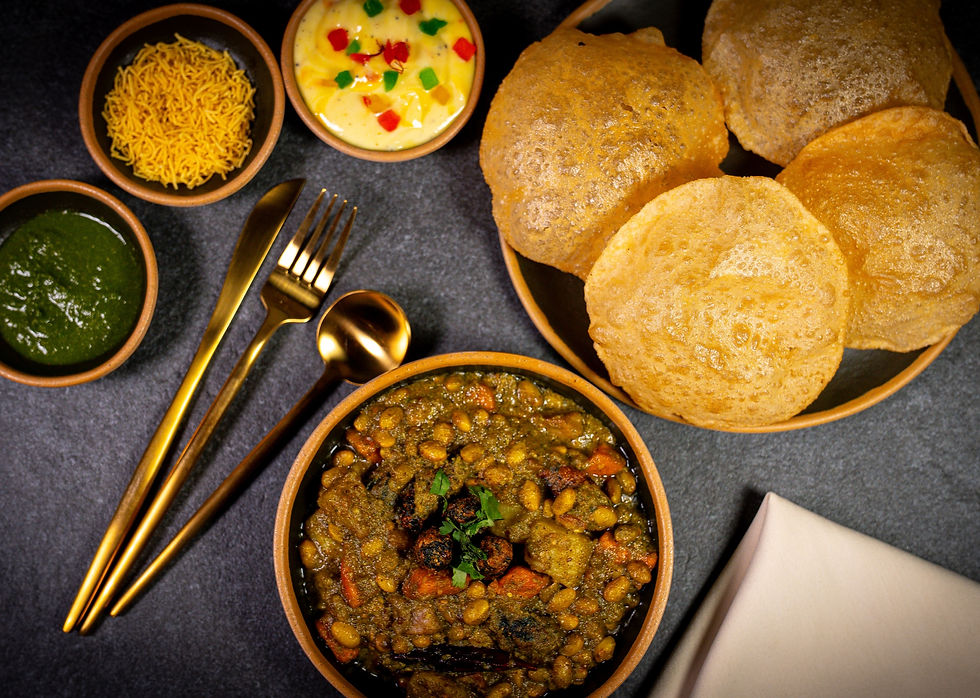
This Shravan Maas, Taste of Gujarat is serving Sabudana Khichdi from Aug. 13 through Sept. 10. The vegetarian, gluten-free dish is $22 and contains peanuts.
Shravan Maas in Gujarati Homes
Shravan Maas is an important month of prayer and religious observance for many Hindu families. Because it follows the lunar calendar, its dates move each year. The way people observe the month also varies widely.
Some fast on Mondays or other designated days. Some eat once a day. Some avoid grains or particular vegetables, while others follow the customs passed down in their own families. Age, health and work schedules can all shape an individual’s practice.
In many Gujarati homes, these differences are simply part of planning the meal. The question is not only whether someone is fasting, but how. A grandmother may follow one set of restrictions while her grandchildren follow another. One person may keep a full fast; another may eat potatoes, fruit, dairy and sabudana.
The cook keeps track.
That flexibility is common in Gujarati home cooking. Meals change according to the people at the table. Dal may be thinned for an older relative. Chile may be reduced for a child. Ingredients may be set aside during a Jain observance. During Shravan, the household pantry shifts again.
Sabudana Khichdi is one of the dishes that often appears in that shift.
Why Sabudana Khichdi Is Eaten During Fasting
Sabudana, the Hindi and Gujarati name commonly used for tapioca pearls, has a mild flavor and a pleasing texture when cooked properly. It works particularly well with potatoes and peanuts, two ingredients used in many fasting meals.
The dish is simple enough to suit the spirit of the month but satisfying enough to carry someone through the day. Potatoes provide substance. Roasted peanuts add richness and crunch. Cumin, green chile and curry leaves give the khichdi warmth without turning it into a heavily spiced dish.
There is usually a fresh finish as well. Cilantro brings color and a green, herbal note. Lemon cuts through the starch and peanuts. That final squeeze can wake up the entire pan.
Recipes differ from one household to the next. Some cooks crush the peanuts finely so they coat the pearls. Others leave them whole. One family may prefer more potato, while another wants the sabudana to dominate. Some add coconut. Some would never consider it.
These are the small disagreements that keep family recipes alive.
The Secret Is in the Soaking
The ingredient list for Sabudana Khichdi is short. The instructions can be written in a few lines. Neither fact makes it easy.
Most of the work happens before cooking begins. The dry tapioca pearls must absorb enough water to soften all the way through while remaining separate. Different brands and pearl sizes may behave differently, so a soaking time that works perfectly with one package may fail with another.
This is why experienced cooks rely on touch. A soaked pearl should flatten when pressed without revealing a hard white center. At the same time, it should hold its shape rather than dissolve.
Once the sabudana is ready, the pan needs attention. The potatoes must be cooked through. The cumin should become fragrant without burning. Curry leaves and green chile need enough heat to release their flavor. The pearls should be folded through the other ingredients without being crushed.
A good Sabudana Khichdi does not sit in a heavy clump. The pearls remain visible and distinct, with peanuts and browned potato distributed throughout the bowl.
Like many familiar home dishes, it looks easier than it is.
Potatoes, Peanuts and the Best Bites in the Bowl
The best spoonful of Sabudana Khichdi has a little of everything: soft tapioca, a browned piece of potato and at least one roasted peanut.
The pearls provide the dish’s characteristic texture, but the potatoes and peanuts keep it interesting. Potatoes absorb the cumin, chile and curry leaf flavors while adding a soft, savory bite. Their browned edges are especially prized.
Peanuts bring a deeper roasted flavor. They also break up the softness of the other ingredients. Without that crunch, the dish can feel flat.
Gujarati cooking often pays close attention to this kind of balance. It may come from sweet and sour flavors, as it does in many versions of Gujarati dal, or from a mix of soft, crisp, cool and spicy foods across a thali. In Sabudana Khichdi, much of the balance comes from texture.
Every ingredient has a clear job. The dish does not need a sauce or an elaborate garnish. If the sabudana, potatoes and peanuts are right, very little else is required.
The Smell of Cumin and Curry Leaves
Before the sabudana enters the pan, the kitchen begins to smell like the finished dish.
Cumin seeds warm in the cooking fat. Curry leaves crackle as they hit the pan. Green chile follows. The fragrance is immediate and familiar, particularly to anyone who grew up in a Gujarati kitchen.
This tempering, often called vaghar in Gujarati cooking, gives the khichdi its foundation. With so few seasonings, timing matters. Burned cumin can make the whole dish bitter. Curry leaves added too late do not release the same aroma.
The soaked sabudana picks up those flavors as it cooks. Lemon and cilantro are added near the end so they remain fresh.
The flavor should be lively but clean. Sabudana Khichdi is not meant to be buried beneath spice. You should still taste the potato, the peanut and the gentle flavor of the tapioca itself.
A Dish Tied to Memory
Ask someone about Sabudana Khichdi and the answer often leads to a particular kitchen.
It may be the khichdi a mother prepared early in the morning before the household woke. It may be a grandmother’s version with extra peanuts or potatoes cut into unusually small cubes. For someone else, it may bring back the meal eaten after prayer or the portion packed for a long workday during a fast.
These memories are rarely about presentation. The bowl may have been stainless steel. The khichdi may have been eaten standing at the counter or quickly before school. What remains is the taste and the knowledge that someone remembered how you observed the day.
That is one reason fasting food can feel so personal. The cook has to know the person who will eat it. The dish reflects both religious practice and household care.
When Gujaratis move away from home, these foods take on another role. They help preserve the routines that once seemed ordinary.
Observing Shravan Maas in Las Vegas
August in Las Vegas is far removed from the Indian monsoon season traditionally associated with Shravan. The sky, heat and pace of daily life are different. The month still arrives.
Families in Southern Nevada observe Shravan around work, school and the long drives that come with life in the Las Vegas Valley. Temple visits and prayer continue. Kitchens adjust. Familiar dishes return to the table.
For immigrants and their children, this is how a religious calendar remains present in a new place. Dates may be checked on a phone rather than a printed panchang hanging in the kitchen. Ingredients may come from an Indian supermarket miles away. A recipe may be discussed in a family group chat spanning several time zones.
Yet the basic actions remain familiar: rinse the sabudana, measure the water, roast the peanuts and check the potatoes.
Food is particularly good at holding onto those actions. A dish can change kitchens, cities and even generations while still being recognized immediately.
Sabudana Khichdi at Taste of Gujarat
Taste of Gujarat is serving Sabudana Khichdi throughout Gujarati Shravan Maas, from Aug. 13 through Sept. 10.
The dish combines tapioca pearls with potatoes, roasted peanuts, cumin, green chilies and curry leaves. Lemon and fresh cilantro complete the bowl.
It is vegetarian and gluten-free and is priced at $22. Because peanuts are an essential part of the recipe, guests with peanut allergies should not order the dish.
For guests observing Shravan, the seasonal offering provides a familiar meal without the preparation required at home. For diners who have never tried Sabudana Khichdi, it offers a look at Gujarati food beyond the dishes most commonly found on Indian restaurant menus.
The flavors are quieter than a rich curry, but the dish is not bland. Cumin and curry leaves bring warmth, green chile adds heat, and lemon keeps the potatoes and peanuts from feeling heavy.
Most importantly, the sabudana should remain separate and tender. That texture is the measure of the dish.
Gujarati Food Near Henderson and Silverado Ranch
Taste of Gujarat is located on South Maryland Parkway in Silverado Ranch, near Henderson in the southern Las Vegas Valley.
The restaurant focuses on regional Gujarati food, including dishes that are more commonly associated with home kitchens than restaurant dining rooms. Sabudana Khichdi fits naturally into that menu. It comes from the same cooking tradition as Gujarati dal, khichdi, vegetable shaaks and the snacks prepared for particular seasons and occasions.
Regional dishes can require more explanation than familiar restaurant standards. They may not arrive covered in sauce or finished with cream. Their appeal is often found in careful preparation and in the relationships among a few ingredients.
Sabudana Khichdi is a good example. A bowl contains no hidden centerpiece. It asks the cook to get the small things right: the soaking, the heat of the pan, the browning on the potatoes and the amount of lemon added at the end.
When those details come together, the dish needs no introduction.
A Seasonal Taste of Shravan
Certain foods make sense throughout the year. Others become more meaningful when their season returns.
Sabudana Khichdi can be eaten at any time, but during Shravan Maas it carries the familiarity of ritual. It belongs to a month when many people look more closely at their habits, their faith and the food they place on the table.
At Taste of Gujarat, the dish will be available only through Sept. 10. That limited window reflects its place in the season.
For some guests, it will be a meal connected to a fast. For others, it may recall home. Someone trying it for the first time may simply discover how satisfying tapioca pearls, potatoes and peanuts can be when they are treated with care.
All three are good reasons to order a bowl.
Frequently Asked Questions About Sabudana Khichdi
What is Sabudana Khichdi?
Sabudana Khichdi is a dish made with soaked tapioca pearls, potatoes, peanuts and seasonings. Taste of Gujarat prepares it with roasted peanuts, cumin, green chilies, curry leaves, lemon and fresh cilantro.
Why is Sabudana Khichdi eaten during Shravan Maas?
Sabudana Khichdi is commonly prepared during Hindu fasting periods because its ingredients are accepted in many fasting traditions. Practices vary among individuals, families and communities.
Is Taste of Gujarat’s Sabudana Khichdi vegetarian?
Yes. The dish is vegetarian.
Is the Sabudana Khichdi gluten-free?
Yes. Taste of Gujarat’s Sabudana Khichdi is gluten-free. Guests with serious allergies or sensitivities should contact the restaurant about their individual needs.
Does the dish contain peanuts?
Yes. Peanuts are a central ingredient in the dish.
How much does it cost?
Sabudana Khichdi is $22.
When is it available?
The seasonal dish is available from Aug. 13 through Sept. 10.
Where can I find Sabudana Khichdi near Henderson?
Taste of Gujarat is located at 9890 South Maryland Parkway, Suites 16-18, in Silverado Ranch, Las Vegas. The restaurant is near Henderson in the southern Las Vegas Valley.


Comments