

Why Gujarati Cuisine Has Always Been One of the World's Great Vegetarian Traditions
- Taste of Gujarat
- Jul 29
- 5 min read
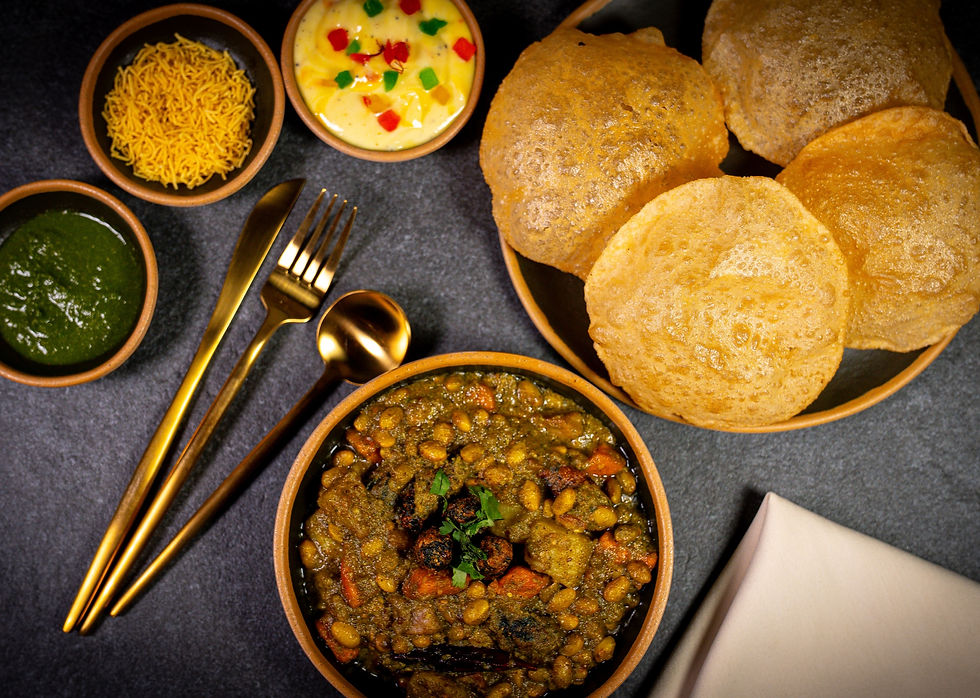
If you ask someone to name the best vegetarian restaurant in Las Vegas, you'll probably hear a list of plant-based cafés, vegan concepts, or restaurants built around meat alternatives. Somewhere along the way, vegetarian dining became closely associated with modern wellness, lifestyle choices, and contemporary food culture.
Gujarati cuisine tells a much older story.
Long before plant-forward dining became part of restaurant vocabulary, families throughout the western Indian state of Gujarat were preparing meals where vegetables, lentils, legumes, dairy, grains, and seasonal produce naturally took center stage. They weren't replacing meat. They weren't recreating familiar dishes without animal protein. They were cooking the way generations before them had cooked, drawing from the land around them, their religious traditions, and recipes that had been passed from one family kitchen to the next.
That history is one of the reasons Gujarati cuisine remains one of India's most celebrated regional food traditions and why so many people searching for the best vegetarian restaurant in Las Vegas eventually find themselves discovering Taste of Gujarat.
A region where vegetables have always been the centerpiece
India is often spoken about as though it has a single culinary identity, but every region tells a different story.
Punjab is known for its rich dairy traditions. Kerala is shaped by coconut, seafood, and the Malabar Coast. Rajasthan developed recipes that reflected desert life. Gujarat evolved in its own direction, influenced by fertile farmland, centuries of trade, vibrant agricultural communities, and religious traditions that embraced vegetarian cooking as part of everyday life.
The result was never a cuisine that simply happened to include vegetables.
It became a cuisine built around them.
Seasonal eggplant, fresh green peas, bottle gourd, okra, fenugreek leaves, pigeon peas, green moong, chickpeas, lentils, tomatoes, cauliflower, potatoes, fresh herbs, yogurt, peanuts, sesame, mustard seeds, cumin, turmeric, ginger, and countless other ingredients became the building blocks of meals that felt nourishing, balanced, and remarkably diverse.
Spend time in Gujarat and you quickly realize something.
The conversation isn't about what has been removed from the plate.
It's about everything that has always belonged there.
Why Gujarati food feels so satisfying without relying on meat
One of the questions vegetarian diners ask most often is whether they'll leave feeling full.
Gujarati cooks solved that question generations ago.
Meals were designed around balance rather than abundance, with every dish contributing something different to the table. Lentils provided protein. Dairy added richness. Fresh vegetables changed with the seasons. Whole grains created substance. Yogurt cooled the palate. Pickles, chutneys, and roasted spices layered complexity into every bite.
Nothing was accidental.
Even the sequence of the meal mattered.
A crisp snack might begin the experience before moving into vegetable curries, dal, fresh rotli, rice, cooling chaas, and finally something sweet to close the table.
Rather than one large entrée carrying the entire meal, satisfaction came from the relationship between every course.
That philosophy remains one of the defining characteristics of Gujarati cuisine today.
The dishes tell the story better than any definition can
Perhaps the easiest way to understand Gujarati cooking is to look at the recipes themselves.
Surti Undhiyu, often considered Gujarat's signature dish, brings together seasonal vegetables and dumplings that slowly cook together until every ingredient contributes its own character to the final dish. It reflects the patience and agricultural heritage that have shaped Gujarati kitchens for generations.
Mag Nu Shaak, prepared with whole green moong beans, demonstrates how legumes become deeply comforting through careful seasoning rather than heavy sauces.
Ringhan Bataka, made with fresh eggplant and potatoes, transforms everyday vegetables into a meal that has remained a fixture on Gujarati family tables for decades.
Gujarati Dal balances sweetness, acidity, and gentle spice in a way that surprises many first-time diners, while Khichdi continues to represent one of the region's most comforting everyday meals.
Even appetizers tell their own story. Khaman, Batata Vada, Marcha Bhajiya, Pani Puri, and Lilva Kachori each reflect different corners of Gujarat's street food and home cooking traditions, proving that vegetarian cuisine has never lacked variety or imagination.
None of these dishes were created to imitate something else.
Hospitality has always been part of the meal
One of the defining characteristics of Gujarati culture is its hospitality.
Meals are rarely rushed. Family members gather around the table together. Fresh rotli arrives throughout the meal instead of all at once. Someone notices an empty bowl before you do. A second helping is offered without ceremony because generosity has always been one of the quiet traditions that surrounds Gujarati cooking.
Food becomes an expression of care.
That spirit has also shaped the region's remarkable diversity of vegetarian recipes. Rather than repeating the same handful of dishes, Gujarati households developed countless ways to prepare vegetables, legumes, lentils, grains, and dairy throughout the changing seasons, ensuring every meal felt complete without relying on meat as its centerpiece.
Why vegetarian diners continue to discover Taste of Gujarat
For many people searching for vegetarian food in Las Vegas, the journey begins online.
They search for the best vegetarian restaurant in Las Vegas, authentic Indian food near Henderson, or vegetarian Indian restaurants in Southern Nevada. They may be lifelong vegetarians, families observing Jain or Swaminarayan traditions, or simply diners hoping to experience regional Indian cuisine beyond the dishes they already know.
Taste of Gujarat has become a destination because the menu reflects the traditions that have defined Gujarati cooking for centuries rather than treating vegetarian food as a limited selection of alternatives.
Guests can begin with Khaman, Pani Puri, or Batata Vada before enjoying regional favorites such as Surti Undhiyu, Ringhan Bataka, Mag Nu Shaak, Gujarati Dal, Aloo Gobi Matar Tamatar, or Paneer Tikka Masala. Fresh Rotli, garlic naan, basmati rice, and chilled Chaas naturally complement the meal, while traditional desserts like Shrikhand, Sheera, Gulab Jamun, and Live Mohonthal continue a tradition of ending every gathering with something sweet.
The restaurant also welcomes guests seeking Jain food, Swaminarayan-friendly preparations, vegan options, and meals prepared without alliums, reflecting the diverse communities that have long shaped Gujarati cuisine.
Located in the Silverado Ranch neighborhood of Las Vegas, approximately fifteen minutes from the Las Vegas Strip and easily accessible from Henderson and throughout the Las Vegas Valley, Taste of Gujarat has introduced many diners to a regional cuisine they may never have encountered before.
Looking for the best vegetarian restaurant in Las Vegas?
The answer depends on what you're looking for.
If you're searching for meat substitutes, you'll find them throughout the city.
If you're searching for a cuisine that has celebrated vegetables for centuries, where generations of cooks developed extraordinary recipes around lentils, legumes, seasonal produce, fresh herbs, dairy, and grains without ever treating them as second choices, Gujarati cuisine offers something entirely different.
Taste of Gujarat brings that tradition to Southern Nevada with a menu rooted in regional recipes, thoughtful hospitality, and the belief that some of the world's most memorable meals have always started with vegetables.
Frequently Asked Questions
Is Gujarati cuisine mostly vegetarian?
Yes. Gujarati cuisine is widely recognized as one of India's most vegetarian-forward regional cuisines, shaped by agriculture, Hindu and Jain traditions, and generations of family cooking that celebrate vegetables, lentils, grains, and dairy as the foundation of everyday meals.
Where can I find authentic Gujarati food in Las Vegas?
Taste of Gujarat, located in Silverado Ranch, serves authentic Gujarati cuisine with a menu featuring regional specialties, traditional street foods, vegetarian classics, and accommodations for Jain and Swaminarayan dietary traditions.
Is Taste of Gujarat good for vegetarians?
Taste of Gujarat's menu is built around Gujarati cooking, making it one of the most extensive selections of vegetarian Indian cuisine in the Las Vegas Valley. Guests will find everything from regional vegetable dishes and lentil curries to street food favorites, traditional breads, and housemade desserts.
What makes Gujarati food different from other Indian cuisine?
Gujarati cuisine is known for its balance of flavors, vegetarian foundations, seasonal vegetables, lentils, dairy, and meals that emphasize harmony across multiple dishes rather than a single centerpiece. It represents one of India's most distinctive regional culinary traditions.


Comments